

Check-in 2-4 weeks after contract end date
Connect with contractors and ask for updates on his end, such as if he has any pending offer already or if he’s still available in the market if so, check Ceipal if we can re-deploy them- (Redeployment means- we do our best to find them new jobs it could be with the same client or others)
Check-in 2-3 months after contract end date
Connect with contractors and ask for updates on his end, such as if he has any pending offer already or if he’s still available in the market if so, check Ceipal if we can re-deploy them or ask if the have any referral- usually this is the end of the journey


Contract Termination
This could happen any time, common reasons are Performance or end of contract
Equipment Returns
This should happen immediately after the contract has ended, Connect with your BDM or ARM to arrange the equipment return process. We will provide shipping details and once you have the info call your contractors and inform them to ship or drop it in UPS store with the label- once returned recruiter should inform back-office team

Equipment
This is also BDM’s responsibility in terms of sending the equipment, but as a recruiter, you have to inform the candidates about the whereabouts of the equipment
Start Confirmation
The recruiter asks BDM for the start details a day before the start date and ensure that the candidates are all set with equipment and everything. Text, email or call candidates and ask if they successfully started and inform Aya so she can tag it properly in Ceipal


Temp Check
After accepting the offer, you do not stop there, as a recruiter its your job to stay on top your candidates hence always do temp-checks after accepting the offer over the phone (You do follow throughs, such as check if they already received the offer letter and signed it)
Placement
This is when the BDM’s/ HR Generalist enters the placement details in Ceipal (sometimes they ask for details such as the location and citizenship just to verify. Also, always ensure that their names in Ceipal are their legal names)
First Week Check-in
After their first week with clients; we check-in with candidates (either thru phone, email or text) just to see how they’re doing, we want to make sure we attend to their concerns if there’s any and ensure that they like their role
Monthly Check-in
This is important just like the first week check-ins to make sure the contractor stays with the client, and this is also another way to know if there’s any contract extension/termination that we should know about
Check-in 1 month before contract end date
Same drill connect with contractors and ask for updates on his end and possibly deliver either good or bad news regarding his/her employment
Check-in 2 weeks before contract end date
Connect with contractors and ask for updates on his end and possibly deliver either good or bad news regarding his/her employment

Offer Extension and Acceptance
The recruiter will call the candidate to extend the offer and have them accept it over the phone verbally then our HR Generalist will send the Offer letter (she makes sure she sends offer letter within the day)
Pre-Closing
Now that you already have an idea where the job stands with the candidate this should be a smooth process already. However, Pre-closing is the actual situation wherein you get an offer from the client without the candidate’s knowledge yet. If during your debrief the candidate has hesitation on the salary part (which is usually the case) this is also where you can do negotiation and ask the what if questions
Offer
This is the actual situation where Official Offer is made to your candidate


Interview Preparation
After scheduling the interview successfully (where both parties accepted the invite), the recruiter has to do an interview prep (phone call and email) where you provide all the necessary details about the job for the candidates to nail the interview.
This also includes doing check-ins with candidates a day, 1hr and 15 minutes before their interview and making sure they’re all set and no logistical problem
Interview Debrief
Once interview is completed, this is where the recruiter calls the candidate ( it’s imperative to call candidates “not email or text” during debrief because aside from asking them the debrief questions this is also a time wherein you gauge candidate’s interest level on the role and where you can start pre-closing candidates as early as after initial screening/interview is completed)
Interview Request
An interview is the process wherein End clients/Hiring Managers reviewed candidates’ profile and wanted to set up a meeting with them either via phone or video


Interview Scheduling
Once interview is requested, recruiter has to get candidate’s availability, set up and coordinate the interview with clients and candidates. This is also the part where you send out calendar invites to both parties (via outlook)
Client Submit
A Client Submission is the process of sending/submitting a pre-qualified candidate that was internally submitted thru an Applicant Tracking System (ATS) to the end client/Hiring Manager

Interview
This could happen through Phone or Video and sometimes onsite
Interview process/round varies with different clients/Hiring Managers (Initial, 2nd Interview, Panel and Final Interviews)


Internal Submit
Internal Submission is the process of sending/submitting potential candidates for specific roles thru an Applicant Tracking System (ATS)/Ceipal
Candidate Qualify
Candidate Qualify is the process of gathering candidates’ major job preferences preferably over the phone (Current job situation, types of roles they are looking for, employment type, salary/pay, location, etc.)


Rylem Speaks!
End-to-end view of how we attract, qualify, submit, and place talent—aligned to client SLAs and internal KPIs. Use this to understand stage gates, ownership, and handoffs between Sales, Recruiting, and Back Office.

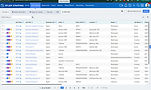
Parsing in Ceipal
Applicant Tracking System (CEIPAL) - An applicant tracking system is a software application that enables the electronic handling of recruitment and hiring needs. An ATS can be implemented or accessed online at enterprise- or small-business levels, depending on the needs of the organization; free and open-source ATS software is also available
An applicant tracking system is a software application that enables the electronic handling of recruitment and hiring needs. An ATS can be implemented or accessed online at enterprise- or small-business levels, depending on the needs of the organization; free and open-source ATS software is also available
Job Analysis
It's vital to know exactly what you're looking for in a new employee before you start the recruitment process. A job analysis is the process used to collect information about the duties, responsibilities, necessary skills, outcomes, and work environment of a particular job

Sourcing
Candidate sourcing is the initial part of the recruiting process – where recruiters (or specialized sourcers) search to find quality candidates. Searching for specialized talent is often referred to as talent sourcing
Sourcing is the proactive searching for qualified job candidates for current or planned open positions
Intake Call
An intake meeting is when the hiring manager and the recruiter initially discuss the position's requirements, candidate profile, and job title. Recruiters will take this as an opportunity to get solid face time with hiring managers


Job Assignment
JO/ Job Requisition Assignment is the process of distributing workable job orders with different recruitment teams/ recruiters

Rylem Recruitment Life Cycle
End-to-end view of how we attract, qualify, submit, and place talent—aligned to client SLAs and internal KPIs. Use this to understand stage gates, ownership, and handoffs between Sales, Recruiting, and Back Office.